Across the UK’s countryside and cities, war memorials quietly stand guard, inscribed with the names of those who gave their lives and carrying the profound burden of shared remembrance. Ranging from majestic empty tombs to simple inscribed stones, these edifices pay homage to acts of bravery while showcasing architectural symbols of endurance and reflection. Here at Heritage Unlimited, our mission is to protect these historical landmarks, helping them last for years to come. This blog explores the beginnings, development, and varied styles of war memorials in the UK, particularly their importance in marking the events of the First World War.
Beginnings: From Timeless Honors to Early Modern Monuments
The idea of memorialising those lost in battle dates back to antiquity, seen in Roman triumphal arches and crosses on medieval war fields. Yet, the contemporary form of war memorials took shape in Britain in the 1800s, becoming more common following wars such as the Crimean War (1853–1856) and the Second Boer War (1899–1902). The first recognised permanent memorial for the First World War is the granite cross in Rawtenstall, Lancashire, built in 1915 and designed to allow for ongoing additions of names. The massive toll of the First World War – roughly 880,000 British fatalities – ignited a widespread effort to create memorials throughout the nation.
London’s Cenotaph in Whitehall, crafted by Sir Edwin Lutyens and revealed on November 11, 1920, is widely seen as the model for today’s UK war memorials. It started as a short-term feature for the 1919 Victory Parade, but its simple, hollow tomb style (derived from the Greek term “kenos taphos” for empty grave) struck such a chord that it was made permanent. This change moved away from victory-focused statues toward quiet contemplations of sorrow, inspiring countless others in rural areas, urban centres, and everywhere in between.
Varied Styles: Designs That Echo Loss and Valor
War memorials in the UK appear in countless varieties, mirroring the design trends of their time, available materials, and the feelings of local people. Common types include Celtic-style crosses, tall obelisks, and figures representing soldiers or symbolic ideas like Triumph or Harmony. You’ll spot these in almost every community, standing as emblems of united mourning.
Memorials aren’t limited to art pieces; many are practical buildings too. Structures like community centres, educational facilities, or medical buildings were created as “active memorials” to benefit society long-term while remembering the deceased. Take Birmingham’s Hall of Memory, with its rounded dome, detailed tile work, and sculptures – it’s both a tribute and a public venue.
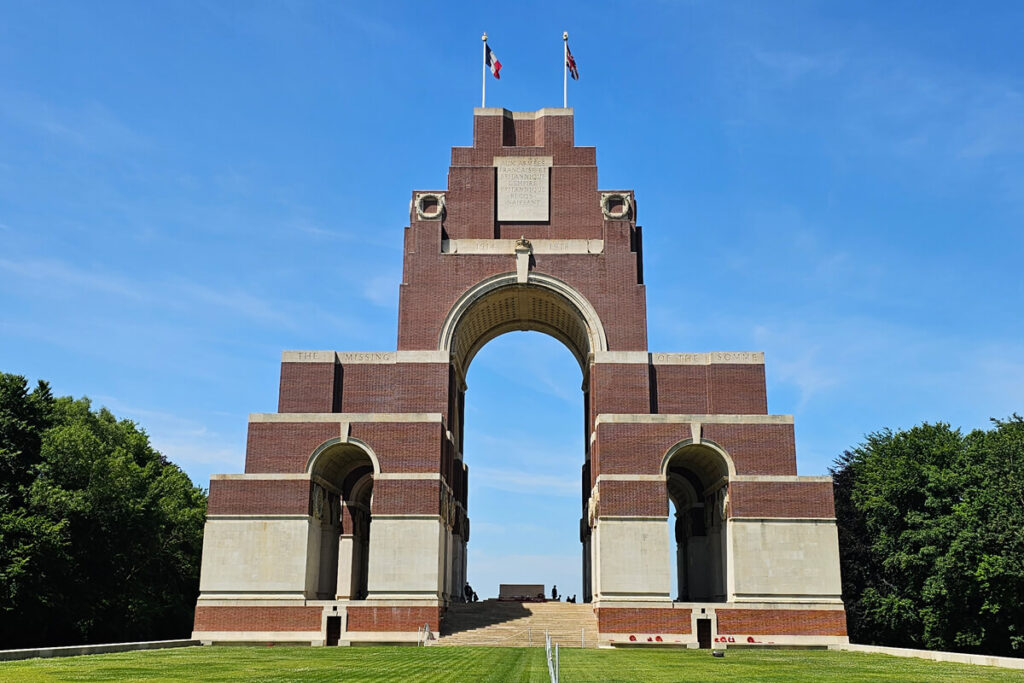
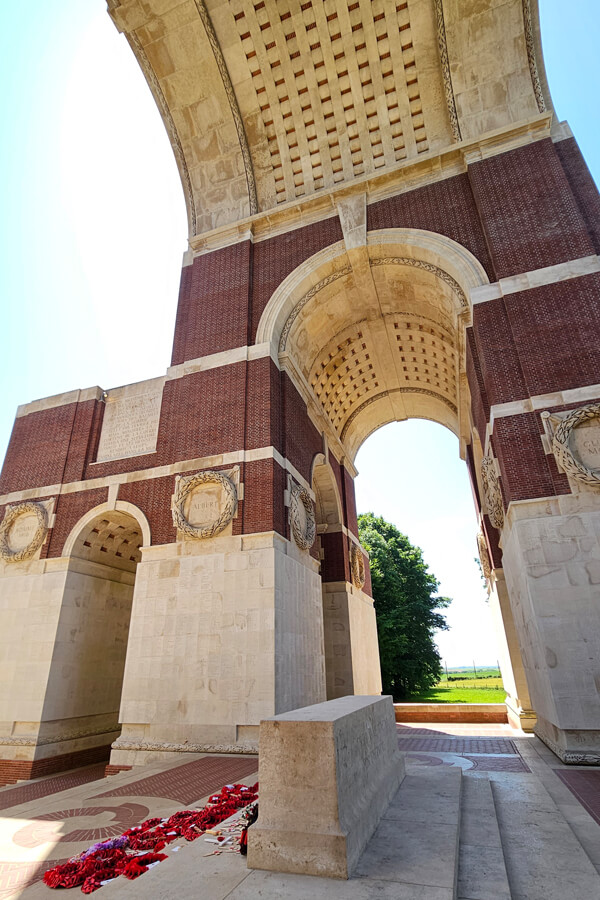
In terms of architecture, they span from classic inspirations – like Greek vases and Roman gateways – to sleek modern forms. Lutyens’ creations, including the Thiepval Memorial (which, despite being in France, remembers missing British soldiers), use sharp edges and meaningful voids. Over 2,500 such memorials are now protected for their design or historical importance, with 20 holding the top Grade I listing, emphasising their cultural worth. Styles shifted from elaborate Victorian details to the straightforward aesthetics of the period between the wars, frequently featuring quotes like Laurence Binyon’s “They shall grow not old” to stir thoughts of timeless youth and heroism.
Community Shrines: Local Tributes During the Great War
In the midst of the First World War, sorrow hit close to home, sparking a touching community-driven trend: street shrines or memorials. Starting around 1915 in places like Hull and London, these temporary honours were set up by neighbourhoods on street sides, especially in working-class areas that suffered the most losses.
They usually featured wooden panels or displays decorated with honour lists – names of nearby men in service or killed – surrounded by blooms, banners, photos, and faith symbols. Hull saw more than 200 of these, turning everyday roads into memorials. Such fleeting tributes offered solace in turbulent times, letting families grieve together even before formal updates came. Post-war, many turned into lasting stone or metal versions, but their roots show the people’s approach to memory: arising from shared pain rather than official directives.
Today, countless local memorials scatter the UK, tying worldwide wars to individual tales. They highlight how conflict touched every corner, building a collective sense of grief that helped form the country’s character.
How Remembrance Sunday and Commemoration Have Changed
Remembrance Sunday, held on November’s second Sunday, stems from Armistice Day, which notes the 1918 armistice on November 11 at 11 a.m. The initial formal event in 1919 included a two-minute quiet moment, started by King George V, to respect the departed. At first linked to November 11, it moved to the closest Sunday in 1945 to minimise work interruptions and increase involvement.
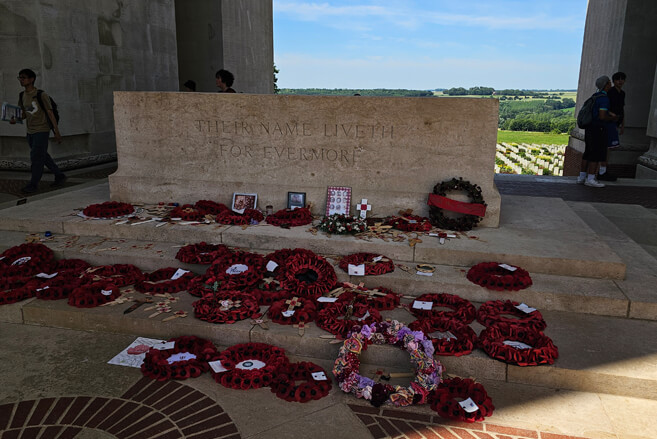
The practice of remembering has grown from quiet pauses to elaborate events: placing wreaths, marches, and donning poppies, drawn from John McCrae’s “In Flanders Fields” and boosted by the Royal British Legion from 1921. Now, it covers not only the First World War but all battles, from the Second World War to modern ones, with the Cenotaph’s national ceremony attracting royals, ex-servicemen, and the public. This tradition – stopping at 11 a.m., saying the Remembrance Ode – encourages thoughtfulness, appreciation, and commitment to aiding survivors, as the Legion puts it: “We will remember them.”
As society evolves, so does remembrance, embracing more perspectives and fixing oversights, but its heart stays true: respecting heroism and advocating for harmony.
Preserving Heritage: Our Work on the Royal Naval Division War Memorial
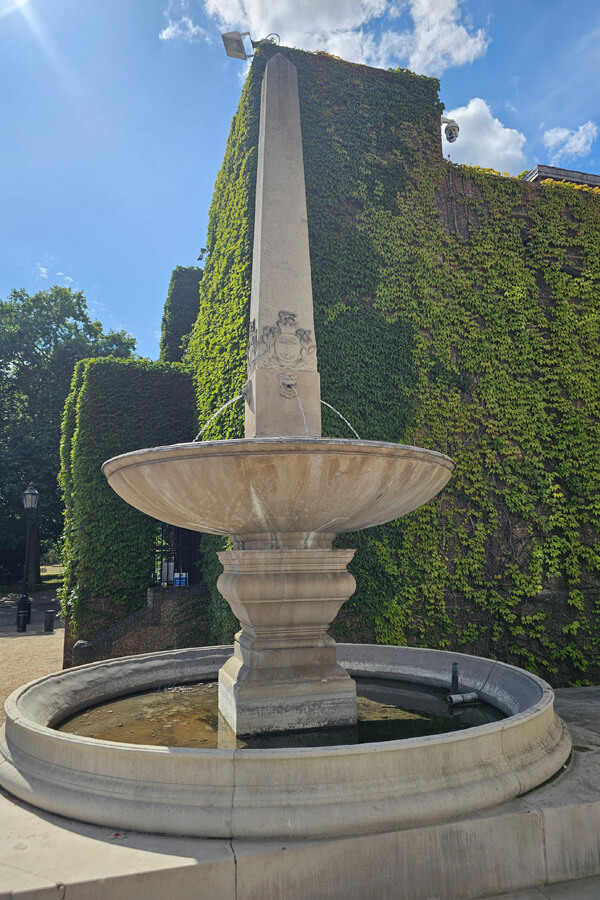
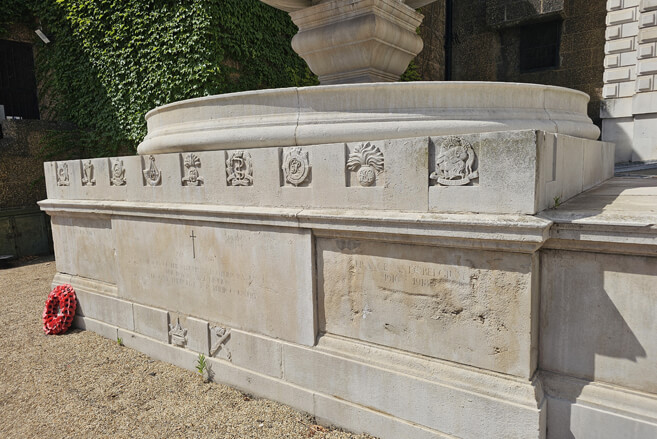
At Heritage Unlimited, we specialise in safeguarding these vital pieces of history. A prime example is our recent condition survey of the Royal Naval Division War Memorial on Horse Guards Parade in London. Designed by Sir Edwin Lutyens and unveiled in 1925, this Grade II* listed fountain memorial honours the 63rd (Royal Naval) Division, a unique infantry unit formed from naval reservists who fought in key battles like Gallipoli and the Somme. Featuring an obelisk fountain with inscriptions and divisional badges, it stands as a testament to naval valour on land.
Our survey assessed structural integrity, stone condition, and environmental impacts, providing recommendations for conservation to ensure its longevity. This work underscores our commitment to heritage consultancy, including surveys, consent applications, and management plans for historic sites across the UK.
A Lasting Legacy
War memorials in the UK are more than stone and bronze—they are bridges to the past, reminding us of courage, loss, and resilience. As we approach Remembrance Sunday, let’s reflect on their evolution and the communities that built them. At Heritage Unlimited, we’re dedicated to their preservation. If you’re responsible for safeguarding a cherished historic memorial or site and seek seasoned expertise to preserve its legacy, we invite you to connect with us at heritageunlimited.co.uk – our dedicated team is ready to provide thoughtful, tailored support throughout your journey. Lest we forget.