Heritage Unlimited were approached by Barnet Homes regarding a large scale proposal on the Watling Estate, Barnet, for the retrofitting of hundreds of properties with modern insulation to improve their thermal efficiency, helping to meet environmental targets and improve quality of life and energy bills for occupants.
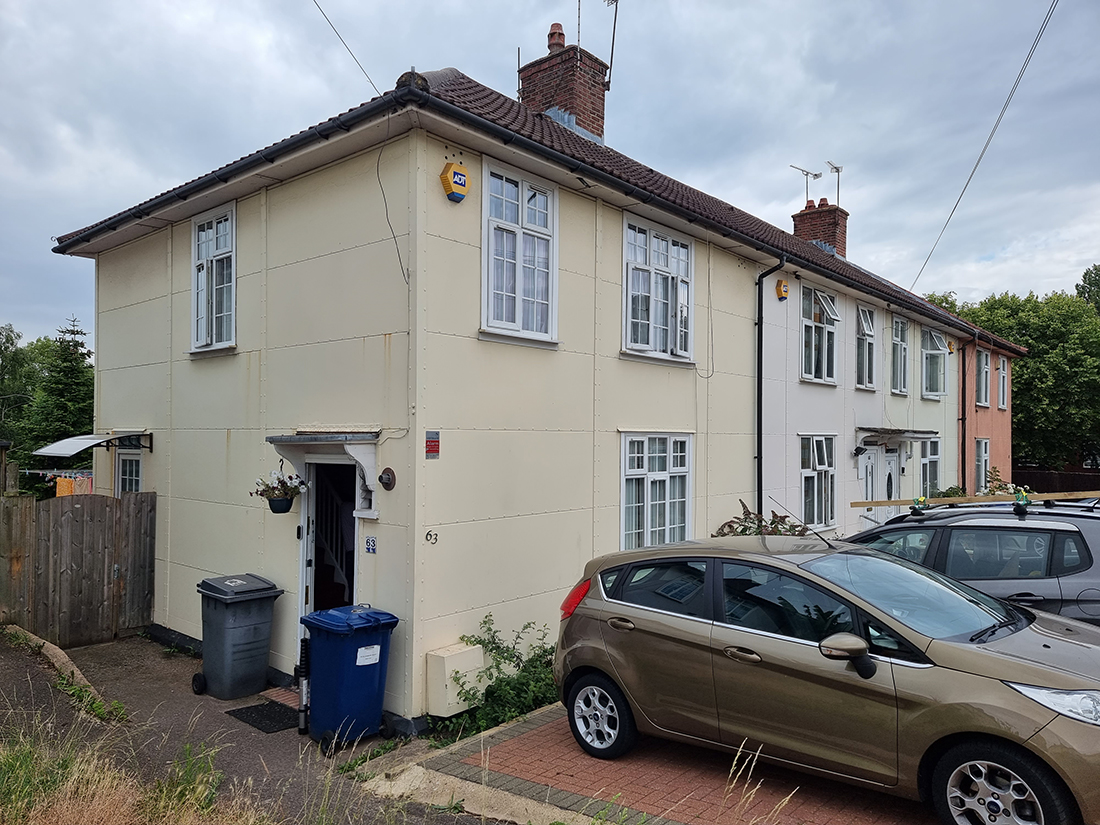
The complexity of the scheme arises from the designation of the Watling Estate as a conservation area. The designation was in part due to the Estate being an early example of suburban Garden City style planning but was also due to the unique architectural style of the properties which included ‘Atholl’ houses of sheet steel construction and timber clad houses. With particular regard to the Atholl houses, their construction style did not allow for interior/cavity insulation, leaving exterior cladding to be the only viable approach. This in turn presented the issue of potential harm to the character and appearance of the properties, whereby the aptly nicknamed ‘battleship houses’ had distinctive panel joins and prominent rivets.
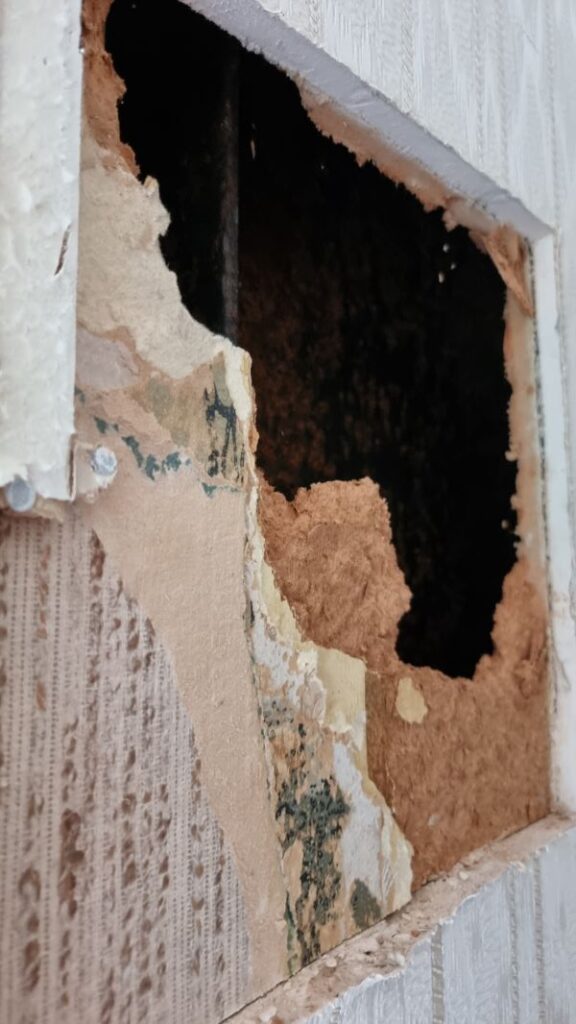
Consultants from Heritage Unlimited attended a site visit along with planners and architects and observed opening-up works to examine the construction style and exterior appearance of the properties and estate first-hand. HUL then worked closely with the architect, providing advice and guidance to select a modern composite cladding material which could be applied over the insulation to replicate the surface texture of the existing steel along with imitation rivet detailing.
To support the planning application, research was undertaken at the London Metropolitan Archive into the original plans for the estate along with the story of Atholl houses and non-traditional construction types and the history of the revolutionary Garden City style suburban planning of the early 20th century. It was identified that to offset harm to the external character and appearance of the properties, other opportunities for improvement could be used as mitigation, such as combining the proposal with changing the wide variety of incongruous uPVC windows with units representative of the original Crittal style windows, making the properties appear more original and the streetscape of the estate more consistent.
The primary challenge of the project was to balance the contribution inter-war housing made to character and appearance of the Watling Estate Conservation Area and the needs of the occupants to reduce their energy consumption and carbon footprint in houses that were never designed to be thermally efficient.