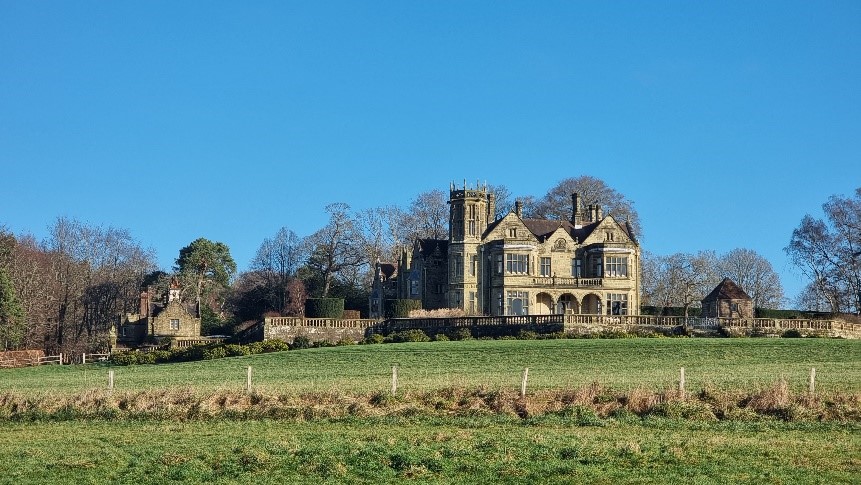
Paxhill Park is a large rural stately home primarily in the Elizabethan style with some Gothic Revival elements, set within its own generous grounds. The property was built between 1595 and 1606 by Ninian Borde (whose initials are inscribed above the entrance), replacing an earlier property at the site and possibly utilising materials from a nearby ruined nunnery. It changed private owners few times and during WWII was used as a camp for the Canadian Army and Black Watch whilst the Sturdy family remained in residence. Following the war, the camp was used to demobilise returning prisoners of war. It later went on to become a retirement home after its sale in 1970 and was a nursing home when it was listed in 1985. It was sold and returned to a private residence in 1999.
The house is grade II listed and there are three further individually grade II listed structures present at the site; a coach house, a gazebo, and the gate piers and border walls to the west and south.
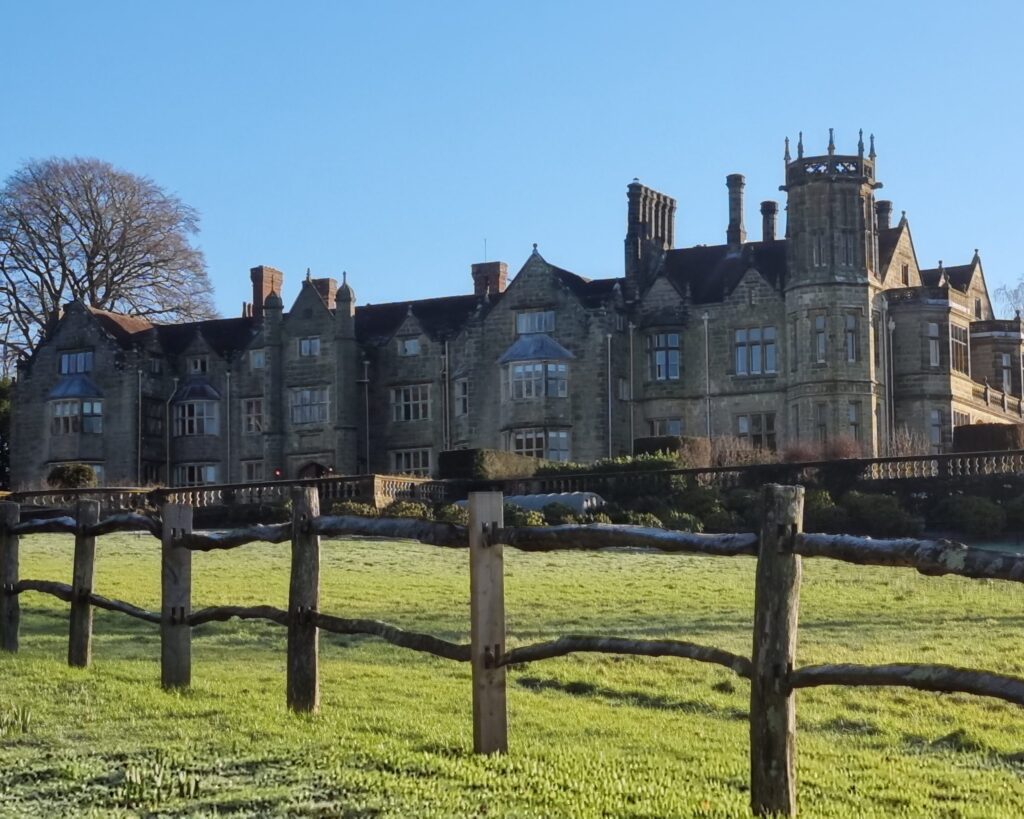
Historic properties, particularly large-scale examples such as Paxhill, are renowned for substandard thermal efficiency and the resulting high draw required from the power grid in order to heat them, which in some cases may be necessary to stabilise the internal climate and protect historic fabric. This energy dependency can then translate to considerable environmental impact and high running costs, causing many historic sites and properties to pursue alternative measures of which photovoltaic (PV) arrays are a leading choice.
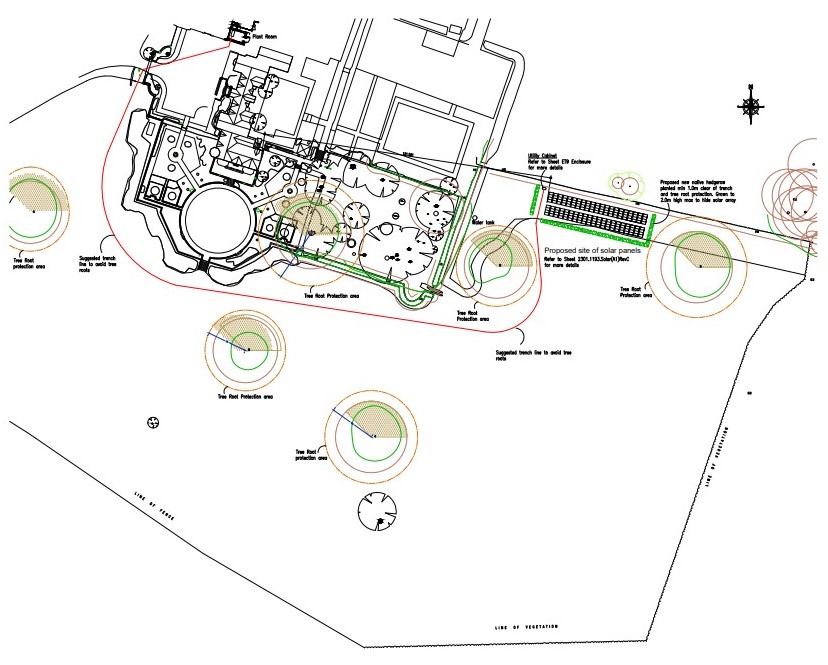
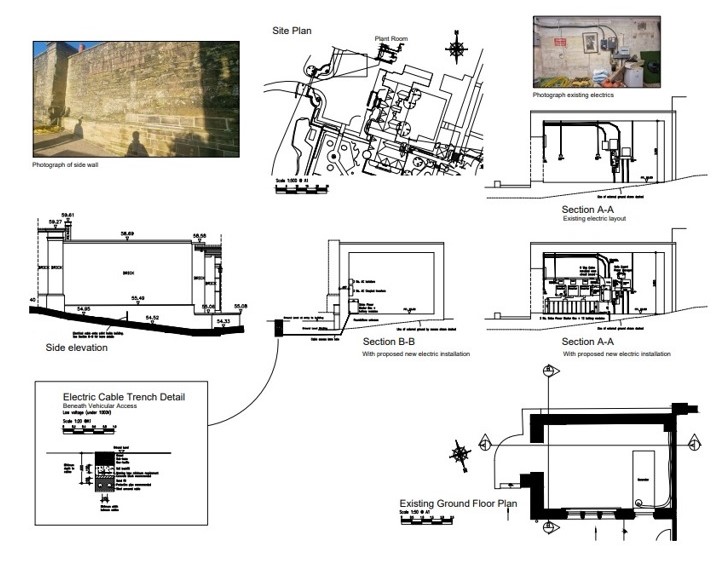
Some PV panels were already installed on a roof top at Paxhill Park but the need to increase the supply led to Heritage Unlimited being instructed to support a planning application to install a ground array of a further 168 PV panels formed in two rows, situated in a field to the east of the property. HUL worked with the client and other consultants to help guide the proposed layout of the installation to avoid and minimize the impact to the setting and structures listed on site. A comprehensive Heritage Statement was completed along with a number of detailed plans and technical drawings to present the information of the proposed installation for the planning application.