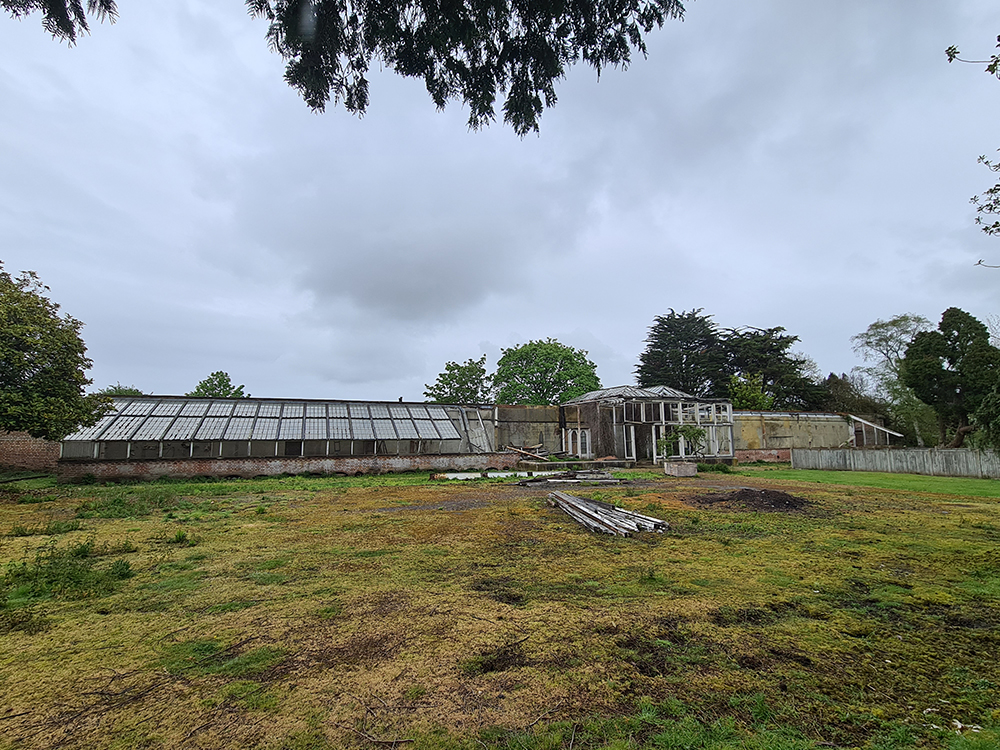
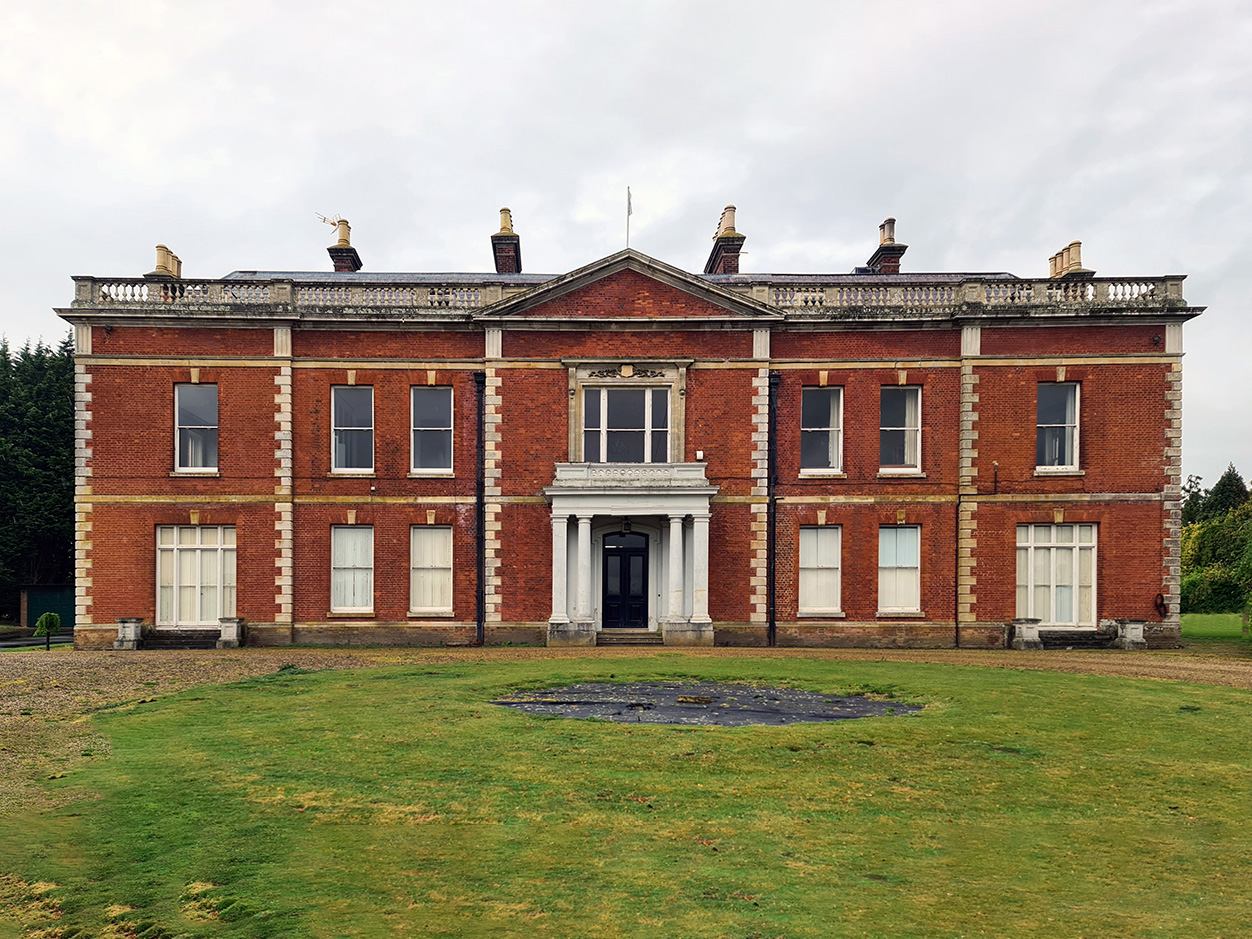
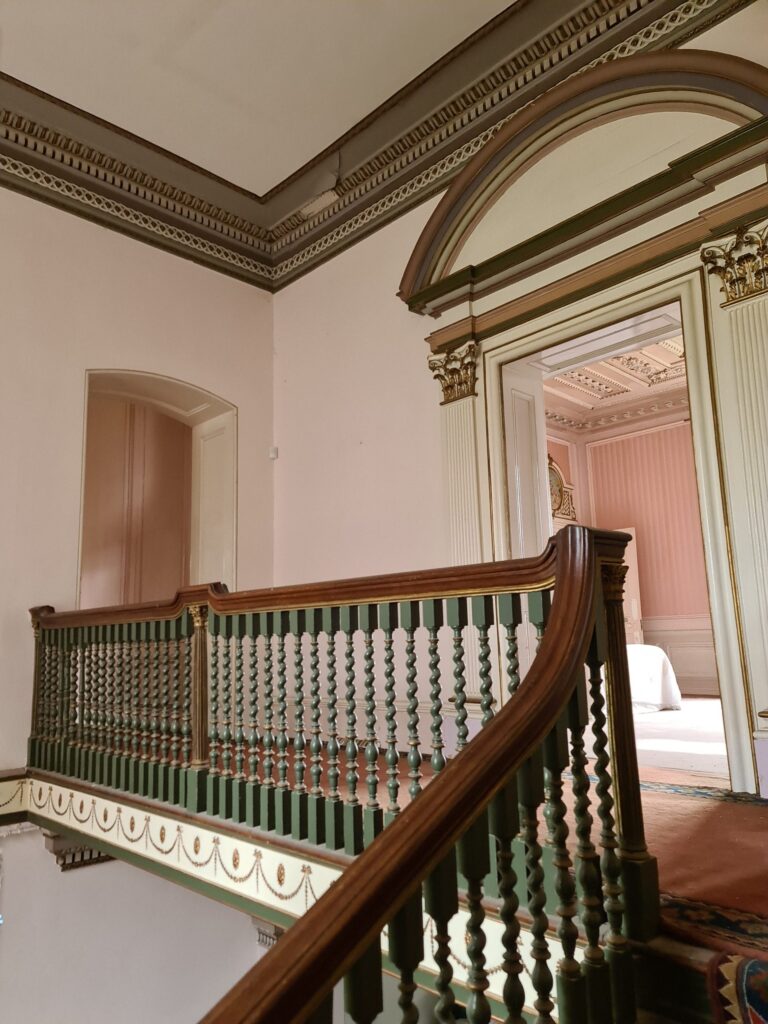
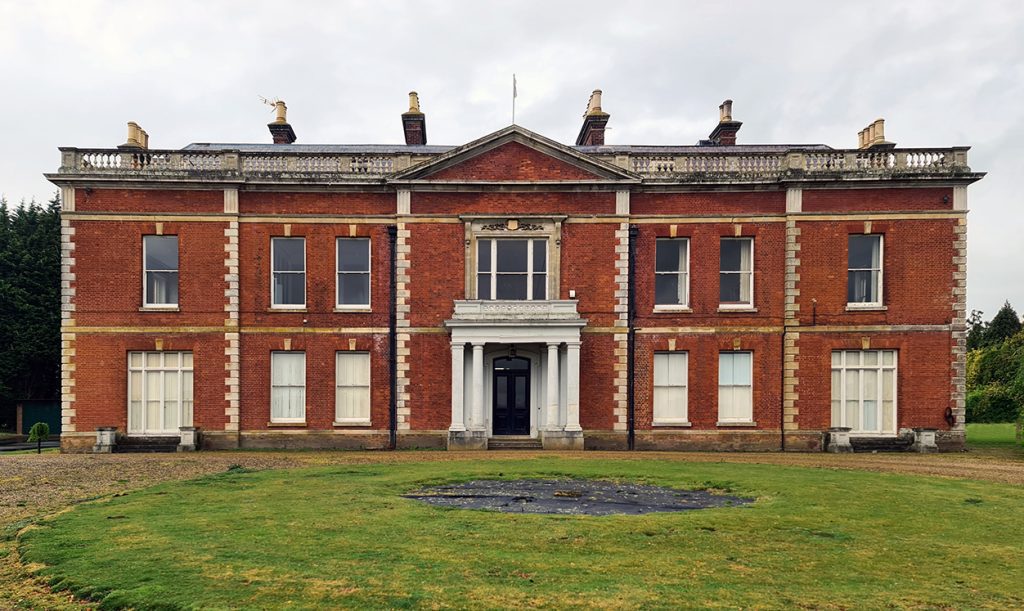
Heritage Unlimited are involved in a long term project at Nash Court, Kent, which includes works to convert the main grade II* listed country house into residential apartments, in addition to the similar conversion and restoration of a historic barn and large glasshouse and enabling development within the grounds.
As part of our services, a Conservation Management Plan was required to inform the future works for the restoration and conversion of the conservatory and barn. Conservation Management Planning is recognised by the heritage sector as best practice for the long-term care and managed change of heritage assets and as such has become the tool to achieve the process of successful conservation. Conservation can best be described as the process of managing change in a way that retains the significance and special character of a place whilst also ensuring its sustainability.
Rigid adherence to any conservation approach can ultimately lead to detrimental effects, simply because there will be specific situations which could not have been anticipated. For this reason, Heritage Unlimited formulated a set of policies intended to allow the conservation and proposals at the site to continue to be effective under changing circumstances through solid fundamental practices and a process of continual review.
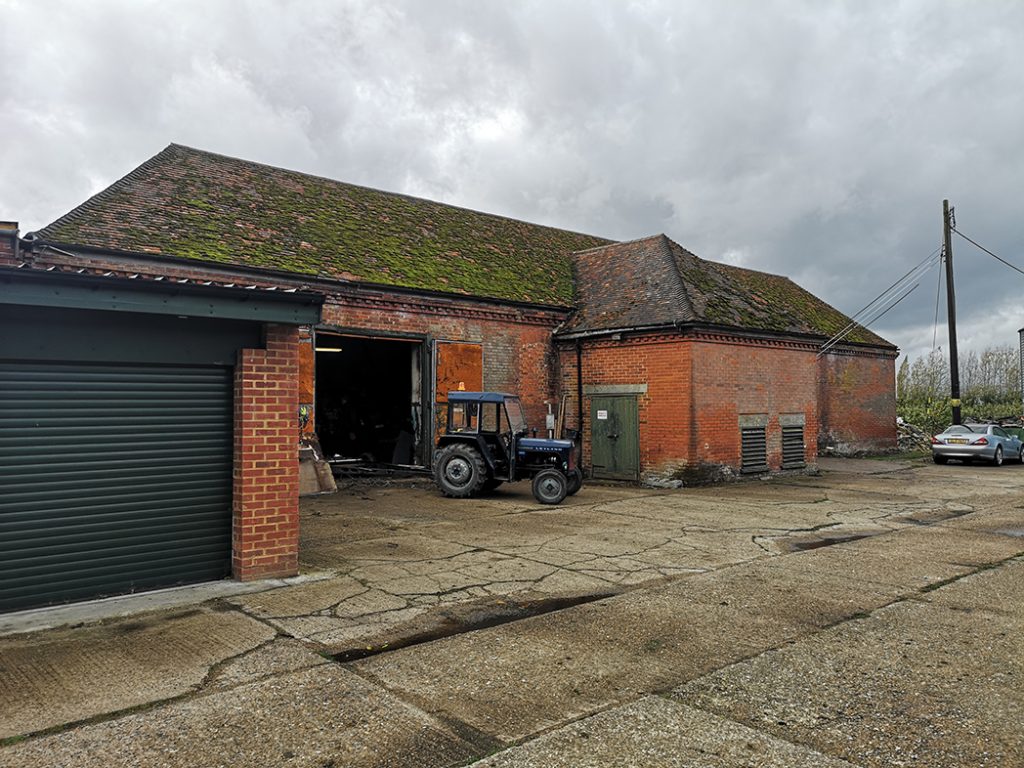
The purposes of the CMP at Nash Court were:
- To identify the heritage designations in place in and around the site and how these affect what can be carried out.
- To set out the history of the site and signpost to where further information may be sought.
To identify and assess what makes the site significant in terms of its heritage values. - To identify specific risks and opportunities faced by the site both now and in the anticipated future.
- To provide a comprehensive guide for how to make decisions and enact change that incorporates, respects, and enhances the site’s significance through a series of policies and recommendations.
- To provide a record of the site as of the time of writing.
To inform the understanding of the property, a wealth of resources were utilised including archival research, historic map regression, and on-site assessment of the historic fabric. The report detailed a comprehensive history of the property’s ownership and morphology, which combined with an understanding of the existing fabric, allowed for the significance of elements to be identified in addition to opportunities for change or restoration. The impact of the proposals on the historic buildings and setting was then assessed, providing preliminary justification with regards to heritage.