
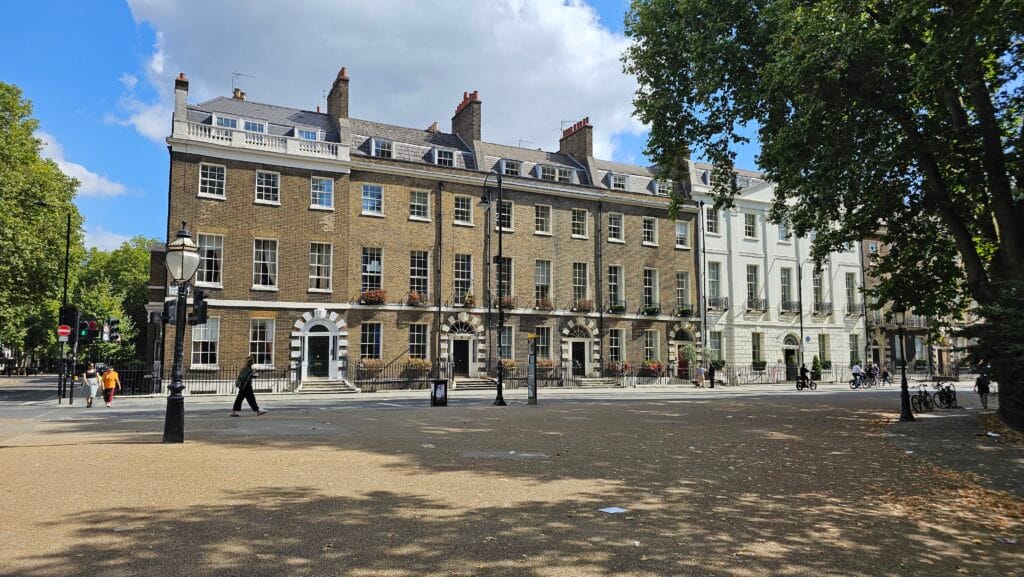
If you own or are considering works to a listed building, one of the first questions you will face is whether you need planning permission — and whether that is the same as listed building consent. It is a common source of confusion, and getting it wrong can have serious legal consequences.
This guide explains clearly when planning permission is required, what listed building consent covers, how the two differ, and when you should speak to a heritage consultant before starting any works.
Planning permission and listed building consent: what is the difference?
Many people assume that planning permission and listed building consent are the same thing. They are not, and in many cases you will need both.
Planning permission is required for development — broadly defined as building, engineering, mining or other operations, or a material change of use of land or buildings. It applies to most properties, not just listed ones.
Listed building consent is a separate statutory consent required specifically for works that would affect the character of a listed building in a manner affecting its special architectural or historic interest. This applies both internally and externally, and to structures within the curtilage.
| You may need planning permission, listed building consent, both — or neither — depending on the nature of your proposed works. Never assume: always check. |
When do you need Planning Permission
Planning permission is separate from LBC and focuses on the broader impacts of “development” (e.g., impact on the area, neighbours, design, etc.).
You will usually need planning permission when:
- You are extending the building externally, as well as listed building consent
- Adding new structures (e.g., outbuildings, extensions, conservatories, or even gates/fences/walls within the curtilage of a listed building — permitted development rights are heavily restricted or removed for listed buildings).
- Changing the use of the building.
For purely internal alterations, you often only need LBC and not planning permission.
You can (and usually should) submit applications for planning permission and LBC at the same time if both are required.
When do you need listed building consent?
Listed building consent is required for any works — internal or external — that would affect the special interest of the listed building. Unlike planning permission, there is no permitted development allowance for listed buildings when it comes to works affecting their character.
Common works that typically require listed building consent include:
- Replacing windows or doors, even with like-for-like materials
- Removing or altering internal walls, staircases, or historic features
- Changing or repointing the external render, stonework, or brickwork
- Installing new heating, insulation, or energy efficiency measures affecting historic fabric
- Attaching structures or extensions to the building
- Carrying out works to outbuildings, walls, or gates within the curtilage
- Removing historic fireplaces, panelling, or other original interior features
| The listed building designation covers the entire structure — not just the facade. Internal works can be just as significant as external ones from a heritage perspective. |
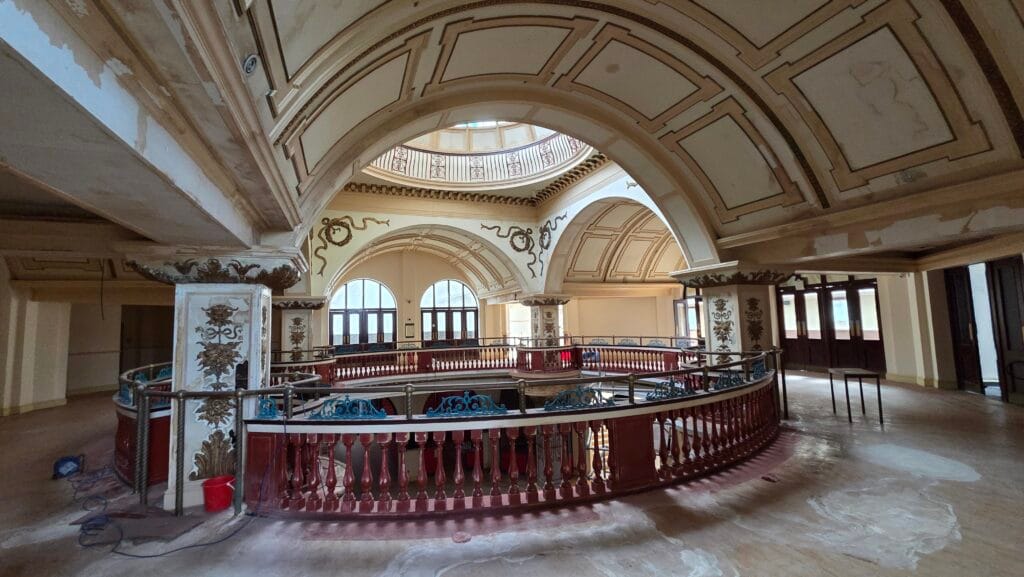
Historic interior features such as cornicing, glazing, and original joinery are protected under listing.
What about routine repairs and maintenance?
Routine repair and maintenance works that are carried out on a like-for-like basis and do not affect the special interest of the building generally do not require listed building consent. This might include repairing a small section of render using the same materials, redecorating interior rooms, or clearing gutters.
However, the boundary between routine maintenance and works requiring consent is not always clear. If you are in any doubt, it is always advisable to seek pre-application advice from your local planning authority or engage a heritage consultant before proceeding.
What happens if you carry out works without consent?
Carrying out unauthorised works to a listed building is a criminal offence under the Planning (Listed Buildings and Conservation Areas) Act 1990. The consequences can include:
- Unlimited fines
- Imprisonment of up to two years
- An enforcement notice requiring you to restore the building to its original condition at your own cost
- Difficulties when selling the property, as solicitors will identify the breach during conveyancing
| These penalties can apply even if you were unaware the building was listed, or if you purchased the property after the works were carried out by a previous owner. |
How do I find out if my building is listed?
You can check whether a property is listed using Historic England’s National Heritage List for England (NHLE), available free at historicengland.org.uk. The list includes the listing grade (Grade I, Grade II*, or Grade II) and a description of the building’s significance.
In Wales, the equivalent register is held by Cadw; in Scotland by Historic Environment Scotland; and in Northern Ireland by the Historic Environment Division.
Remember that a listing covers the entire building — including any later extensions — and may also apply to structures within the curtilage, such as boundary walls, outbuildings, and gates, if they were built before 1 July 1948.
What if my property is in a conservation area but not listed?
If your property is not listed but falls within a designated conservation area, there are still additional planning controls that apply. These are designed to preserve or enhance the character and appearance of the area as a whole.
Within a conservation area you may need planning permission for works that would ordinarily be permitted development, such as certain types of cladding or larger extensions. You will also need to notify the local planning authority before carrying out demolition of unlisted buildings in the conservation area.
You do not, however, need listed building consent for an unlisted property — even within a conservation area. Listed building consent is only required for the listed building itself.
What if my property is in a conservation area but not listed?
If your property is not listed but falls within a designated conservation area, there are still additional planning controls that apply. These are designed to preserve or enhance the character and appearance of the area as a whole.
Within a conservation area you may need planning permission for works that would ordinarily be permitted development, such as certain types of cladding or larger extensions. You will also need to notify the local planning authority before carrying out demolition of unlisted buildings in the conservation area.
You do not, however, need listed building consent for an unlisted property — even within a conservation area. Listed building consent is only required for the listed building itself.

Frances sharing expert insights on improving energy efficiency in listed buildings at the Listed Property Show.
How Heritage Unlimited can help
Navigating the consents required for works to a listed building can be complex, and the consequences of getting it wrong are serious. At Heritage Unlimited, we work with private homeowners, developers, and organisations across the UK to ensure that proposed works are properly consented and applications are presented in the strongest possible way.
Our services include:
- Listed building consent applications — we prepare, submit, and monitor applications on your behalf
- Heritage statements — required for most applications affecting listed buildings and conservation areas
- Pre-application advice — helping you understand what consent is needed before you spend money on designs
- Development advice and design guidance — ensuring your proposals respect the significance of the asset
- Listed building survey and repair advice — practical guidance on appropriate repair methods
We provide clear, practical guidance that gives you confidence in your decisions and helps you achieve a successful, compliant outcome — whether you are planning modest alterations or a major development.
Frequently asked questions
Q Do I need consent to repaint the outside of a listed building?
Repainting with a similar colour is generally considered routine maintenance and unlikely to require listed building consent. However, if the painting would significantly alter the character of the building — for example, painting previously unpainted stonework — consent may be required. If in doubt, seek advice from your local planning authority or a heritage consultant.
Q Can I replace the windows in my listed building?
Window replacement almost always requires listed building consent, even where the replacement is like-for-like. Historic windows are often considered significant features, and any alteration — including the introduction of double glazing — will require consent and a heritage justification.
Q Does a loft conversion in a listed building need consent?
Yes. A loft conversion will typically require both planning permission and listed building consent. The planning permission relates to the development itself; the listed building consent relates to the works affecting the character of the historic building. A heritage statement will be required as part of both applications.
Q Is there a fee for a listed building consent application?
No. Listed building consent applications are free to submit — there is no application fee payable to the local planning authority. However, you will need a heritage statement and potentially other supporting documents, which is where a heritage consultant adds significant value.
Q: Do permitted development rights apply to listed buildings?
No — or very limited. Many normal household permitted development rights (e.g., small extensions, outbuildings, fences, or porches) are removed or heavily restricted for listed buildings. You will usually need full planning permission even for relatively modest external changes.
Q: Do I need consent for new structures in the garden (e.g., garage, summerhouse, or fence)?
Yes. There are generally no permitted development rights within the curtilage of a listed building. Any new building, outbuilding, or means of enclosure usually requires planning permission (and potentially listed building consent if it affects the setting).
| Need guidance on a listed building project? If you are planning works to a listed building and are unsure what consents you need, our expert team is here to help. We provide clear, practical heritage advice to clients across the UK. contact@heritageunlimited.co.uk · 0330 088 0984 · heritageunlimited.co.uk |