
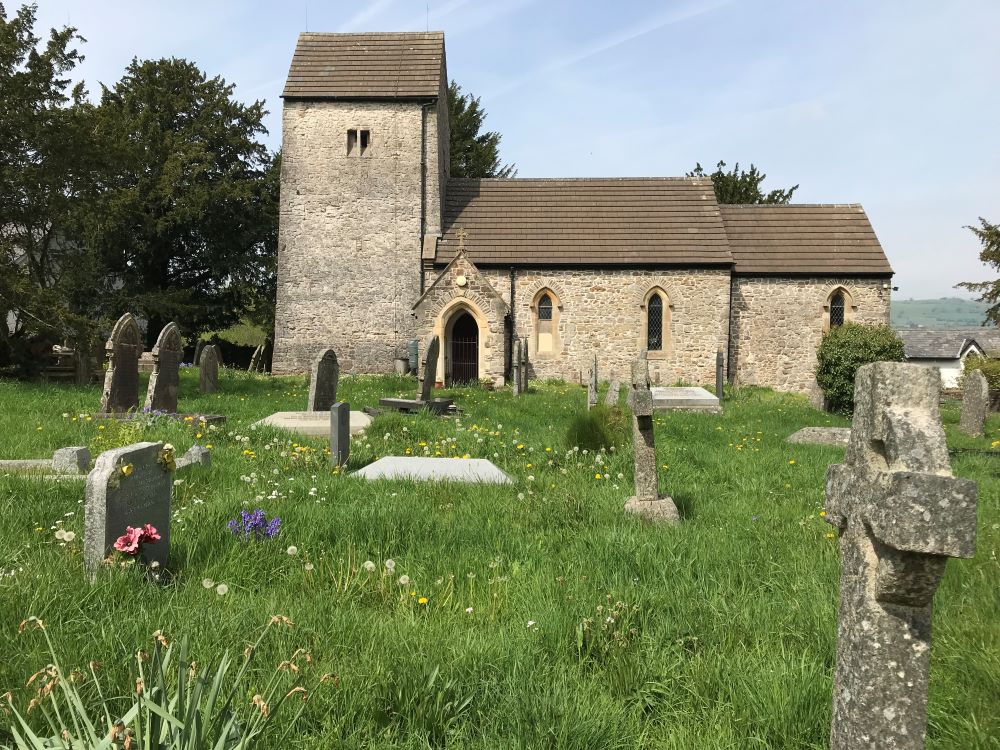
A church is often a focal point in many settlements across the country, usually constructed in a prominent position to dominate the surrounding landscapes, which especially so in rural areas.
Historic churches provide us with a window into the past though their records and construction styles and methods. As such, churches hold a great degree of aesthetic, historical, evidential and communal value. These values relate to the design, architectural and visual aspects, association with historic events or people, physical evidence of the past both above and below ground and communal as a place of public gathering and worship.
Churches provide a space not only for religious worship but form community gatherings and in many rural areas, a church hall is usually the only building large enough to provide space to hold secular events for their community.
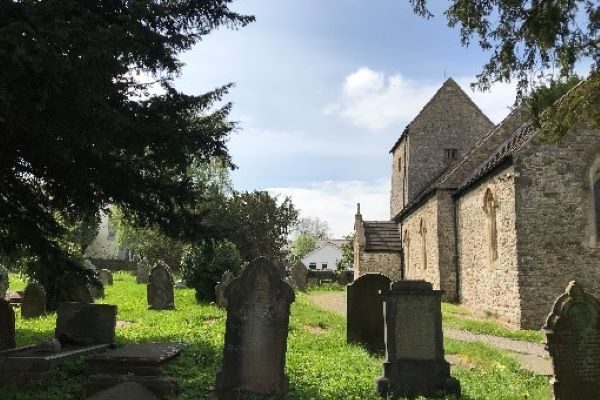
In June 2020, Heritage Unlimited were engaged to provide a Heritage Assessment for the grade II listed Church of St James, Rudry, Wales, to support a pre-application submission for the development of a church hall.
Medieval in date, the Church of St James was significantly restored in the late 19th century by John Prichard, Llandaff Diocesan Architect with the work being carried out by Thomas and William Cox, builders of Llandaff.
Also in the 19th century, a National School in the village was constructed and associated with the church which was subsequently used as a church hall from the start of the 20th century when the school was closed. The building was eventually sold off in the late 20th century as its use declined and was converted into a dwelling in the 1970s.
The proposal was to construct a new Church Hall perpendicular to the west end of the church and connected to the church with a glazed link. The proposal was for new church hall to provide much needed facilities the church did not have, such as WCs, kitchen, and a large meeting room. In turn the building would contribute to the communal value of the historic church as well as negating the need to adapt the church to provide such functions thus creating a sustainable church for the present and future congregations.
HUL’s Heritage Assessment of the site provided a clear and concise historic and architectural assessment of the church and its environs to afford an understanding of the church’s morphology and significance to aid the pre-application submission.