The British Isles are home to a diverse array of rural landscapes, each shaped by geographical, historical, and sociocultural factors. In Essex, the landscape is characterised by its sprawling farmlands and historic settlements. This diversity reflects not only the natural topography but also the varied agricultural practices that have evolved over centuries. Each region presents a different patchwork of fields, crops, and farm buildings, telling the unique story of its development and adaptation to changing agricultural needs.
Curtis Farm, situated in the historic village of Fobbing in Essex, embodies the rich heritage and evolving story of rural England. Fobbing itself holds a pivotal place in history as one of the sites of the Peasants’ Revolt in 1381, a significant uprising against oppressive taxes and social injustices. The farmsteads in this area, including Curtis Farm, are living links to this tumultuous past, standing on land that once bore witness to the struggles and aspirations of medieval peasants.
The landscape around Curtis Farm and the wider region of Essex showcases the evolution of farming practices over the centuries. From the arable lands that once fuelled the breadbasket of England to the modern approaches of crop rotation and organic farming, the agricultural landscape continues to change. Yet, amidst this evolution, the fundamental connection between the land, its people, and their history remains a constant thread.
Nestled within these landscapes are historic farmsteads, often dating back several centuries. These properties serve not only as homes but also as operational farms, continuing a way of life that has been passed down through generations. Each farmstead, with its farmhouse, barns, and outbuildings, is uniquely designed to meet the needs of the land it sits upon, reflecting local materials, climate, and agricultural practices. However, changes in farming techniques have led to the need for diversification of our farmsteads and their agricultural structures, many of which are listed buildings and their form no longer suitable or capable to accommodate modern farming practices and machinery.
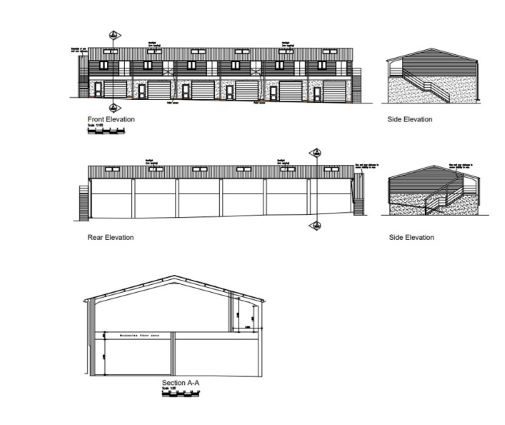
Curtis Farm is an example of one of many farms Heritage Unlimited have been engaged to provide their services for, a farm that primarily comprises of mid and late 20th century farm buildings that have been adapted to provide office and workshop spaces as part of the farm’s diversification.
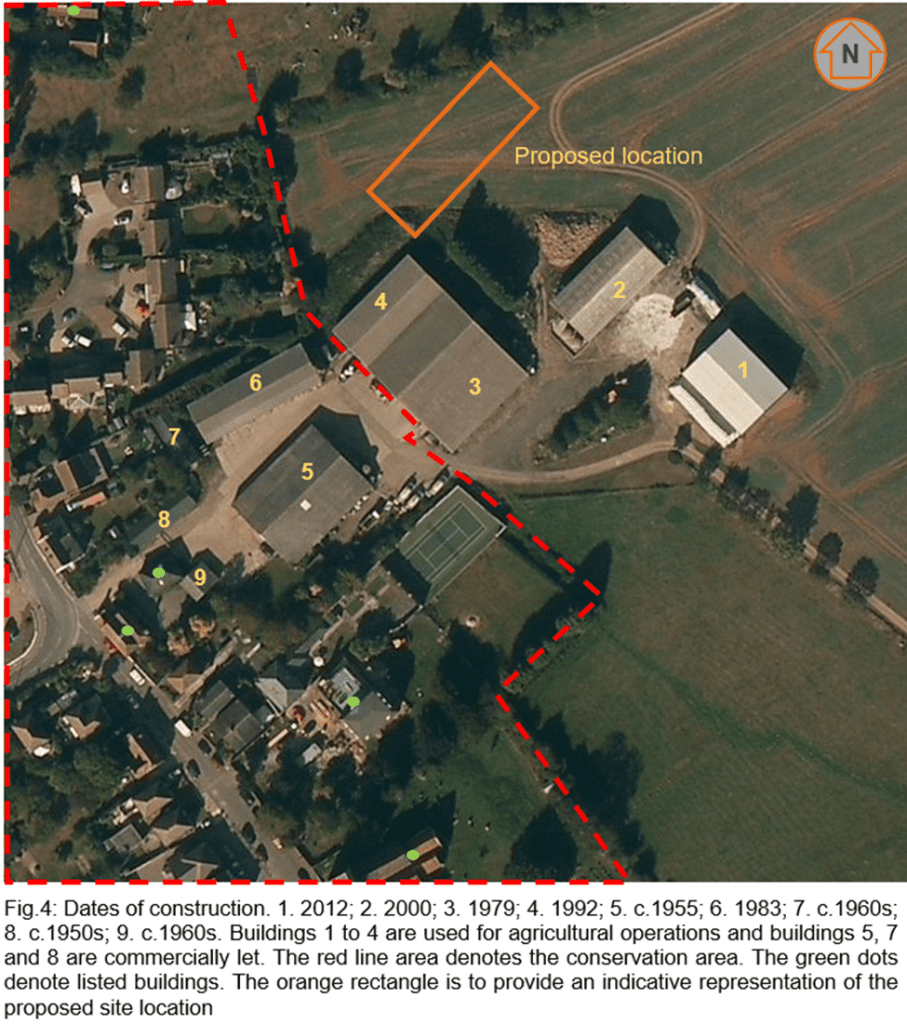
The farm does retain some historic farm buildings, namely an 18th century granary and farmhouse, both grade II listed. The farmstead is also situated within Fobbing Conservation Area. Surrounding the farmstead are several listed buildings, some contemporary to the farm.
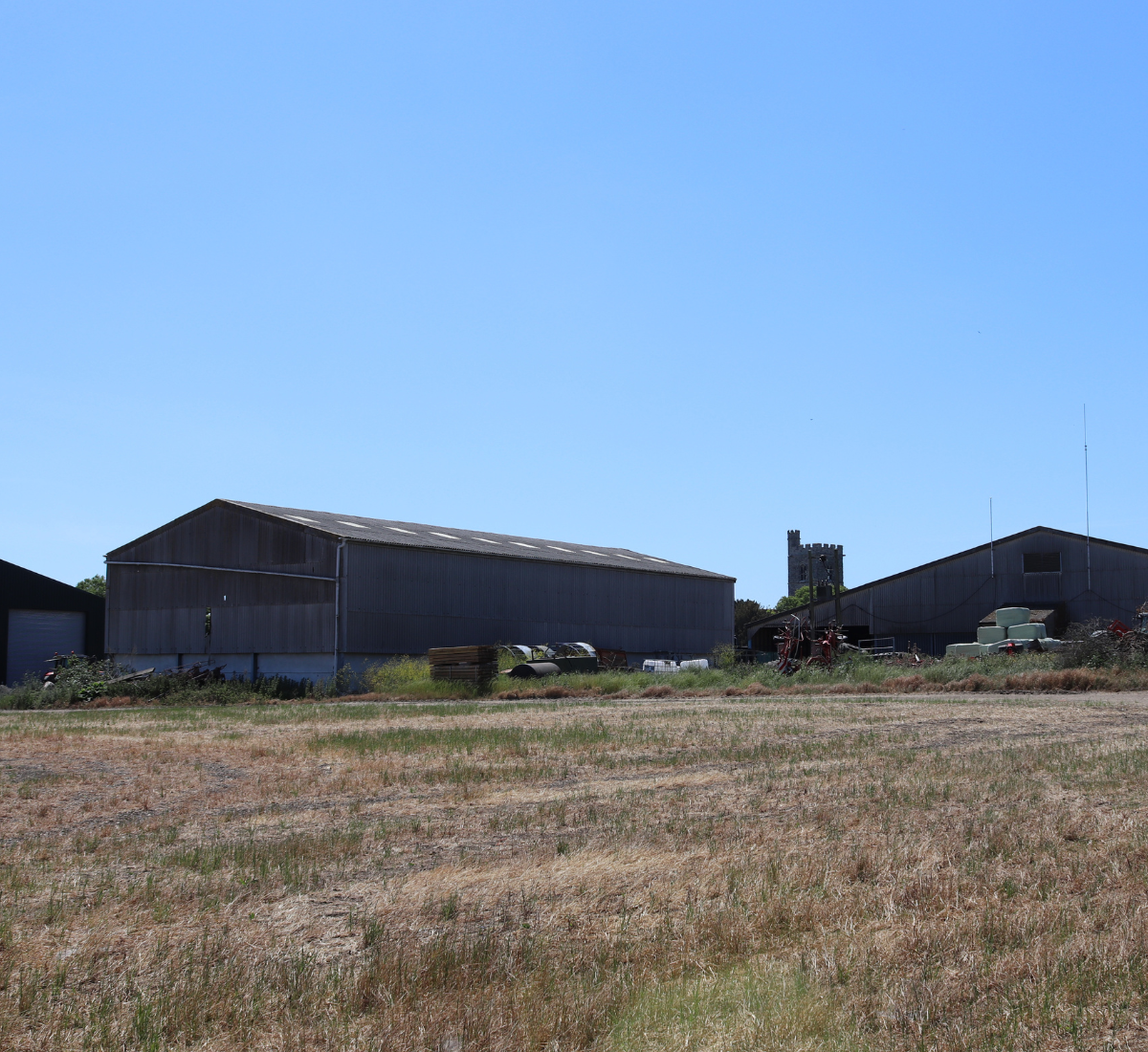
New agricultural buildings capable of meeting the requirements of 21st century farming practices have been constructed to the east of the original farmstead.
Heritage Unlimited have provided consultancy services for various projects at the farm including the reuse and adaptation of a late 20th century open fronted barn for commercial use. Heritage Unlimited provided architectural drawings and a Heritage Statement to support a successful planning application.
As part of the development of the modern farmstead which is situated outside but adjacent to the conservation area, Heritage Unlimited were engaged to provide an appeal statement on heritage matters for a new portal frame agricultural barn, which had been refused by the local planning authority. Interestingly the new farmstead site already contained several modern portal frame agricultural barns clad with metal sheeting, however the conservation officer in their response to the planning application said, ‘the proposed building was not in keeping with the open landscape and that the choice of materials for the large structure would not assist its integration with its landscape’.
Whilst the appeal was dismissed, the reason did not relate to heritage matters and a subsequent redesign and resubmission supported by a Heritage Statement produced by Heritage Unlimited, the application was finally granted planning permission.