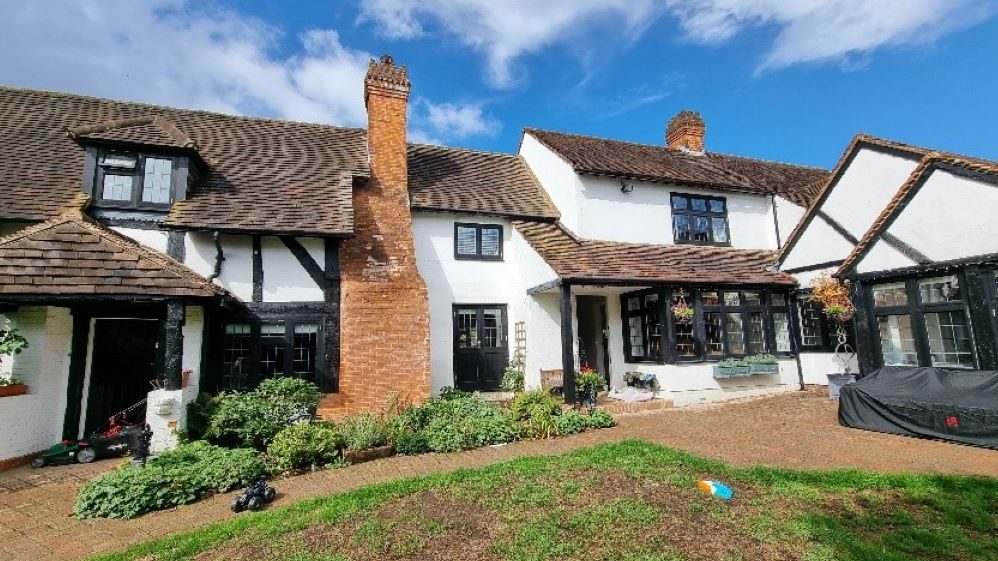
In October 2022, Heritage Unlimited were contacted by the owners of a property in Coleshill to assist with their project as it had become stalled in the planning system due to contradictory thoughts on the fabric age of a wall that was proposed to be removed.
The grade II listed building dates from the 16th century, extended in the 18/19th century and substantially added to in the 20th century with five separate development phases.
The initial Heritage Statement wrongly attributed the date of the fabric to be removed as 18th or 19th century. This notion was taken from a 1980s publication, which included a partial floor plan of the building but not include the room containing the fabric in question. The heritage consultant did not visit the property to physically assess the fabric and acting on the information provided in the Heritage Statement, the conservation officer was not supportive of this fabric being removed. The property owner obtained planning drawings relating to applications in the 1960s, however, the conservation officer who also had not visited the property, was not convinced by the evidence presented by the property owner and advised them to engage a heritage consultant.
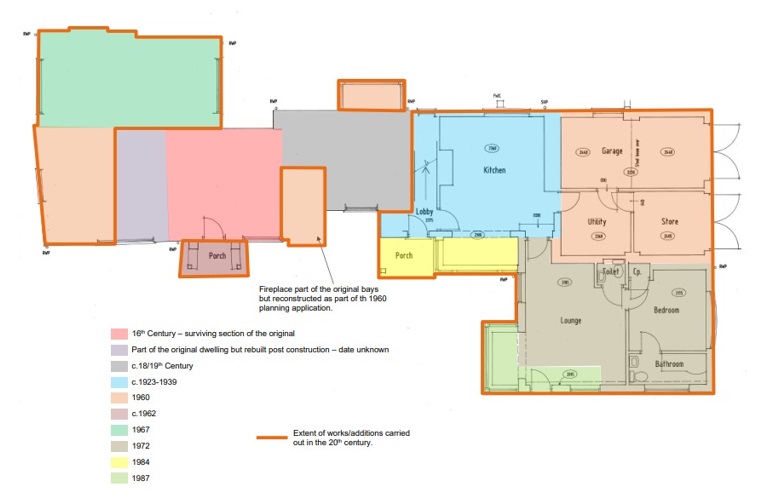
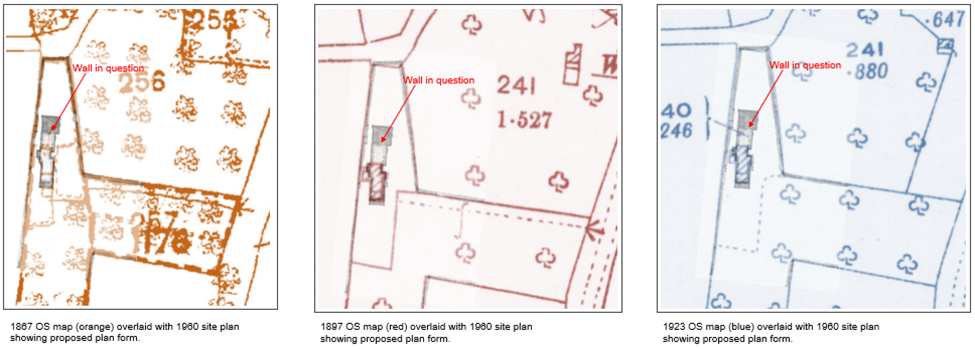
Heritage Unlimited visited the property and assessed the fabric of the wall in question and along with reviewing other primary and secondary sources such as historic maps, planning history and census records, we produced an addendum to the Heritage Statement. Our document focused on the morphology of the building, which combined with the age of the fabric in question overwhelmingly provided evidence that this development phase of the building dated after c.1923 and before 1939. Our report concluded that the works would satisfy the statutory test provided by section 16 of the Planning (Listed Building and Conservation Areas) Act 1990 as the special interests of the building would be preserved. Furthermore, the significance of the building would not be harmed thereby meeting the test provided in section 16 of the National Planning Policy Framework.
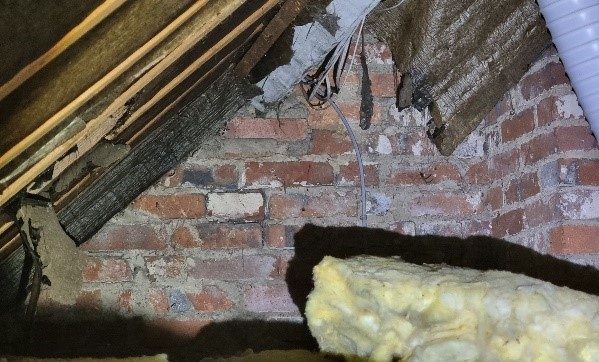
Unfortunately, the conservation was not convinced by our comprehensive document and suggested opening up works on the wall despite the brick work being visible in the loft along with loose elements of the hard early 20th century roughcast render. They requested sections of wall were opened up by removing the hard cement in order to see the brickwork.
Following opening up works, a member of the LPA’s Heritage Team visited the property to review the fabric, which was brickwork laid in a stretcher course and laid on cement. These elements which are seen in the loft provided conclusive evidence to substantiate the map regression overlays we had produced for the addendum, that the wall was constructed with post-1919 construction method and materials.
Understanding the morphology of a building though physical and documentary evidence obtained from primary and secondary sources are paramount to providing substantive and quantifiable arguments to justify changes to the historic environment. Missing one of these factors can lead, as was the result in this application, to a significant amount of delay in time along with increased costs to get an application determined with a successful outcome.